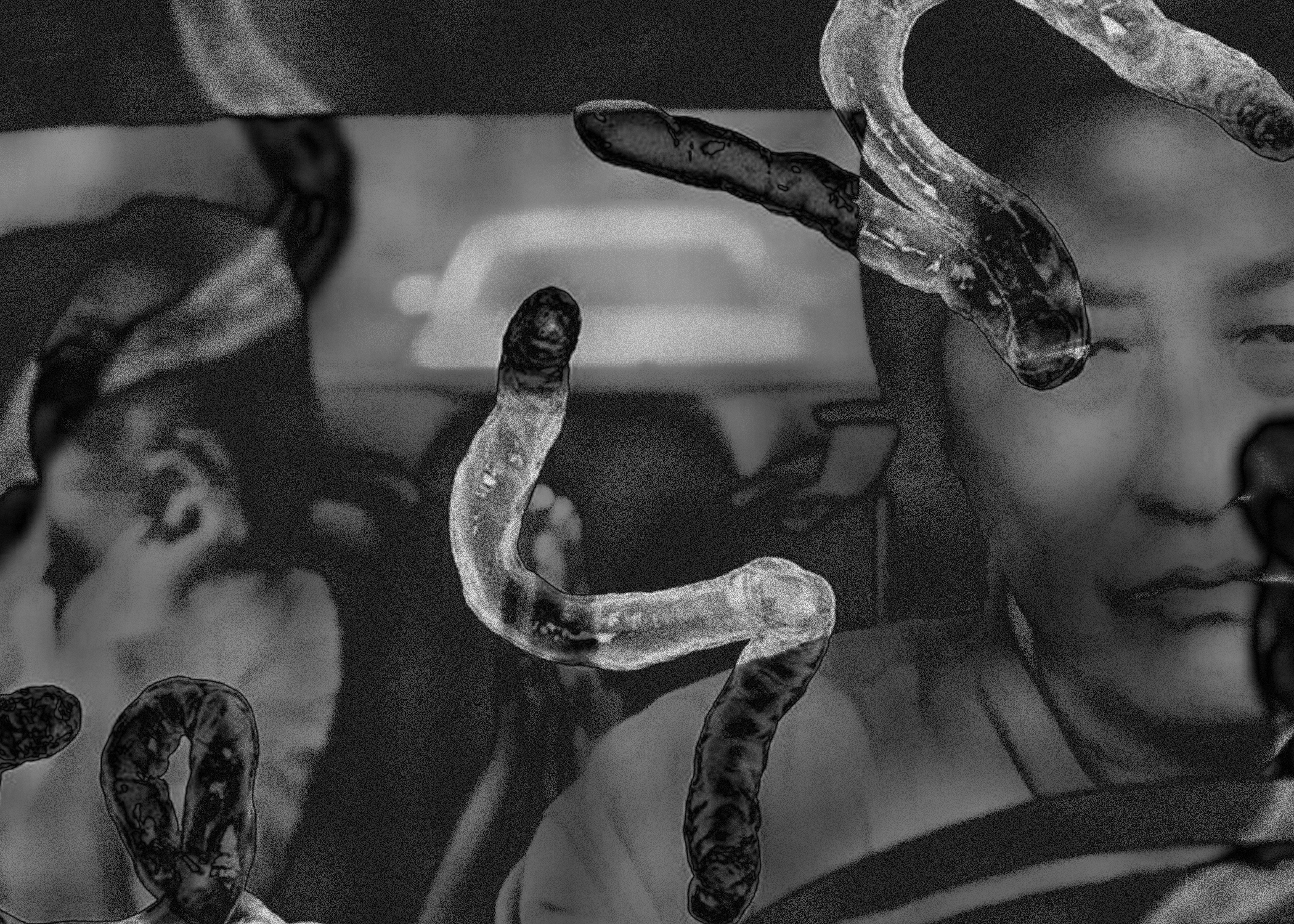
How do we smell?
Once, my boyfriend refuses to have sex, because I smelled like kimchi, the smell of a 12-hour shift at a Korean fast-food place. Since, I habited to shower twice, cursing that kimchi stain, the stain of embarrassment and defeat, even long after I quit.
My body reeks of frying oil and deluded dignity.
Their body reeks of poverty and forced kindness.
Unknowingly, we carry inside us a scent, stuck on us from the streets we pass and the things we consume, stinks with the odour of sweats and those of our acquaintances.
Yet, we never would know how we smells, until somebody points it out.
When does one deserve to die?
We broke up, those words stick, still, on my body, no less than that god-damn kimchi, yet, I didn’t stab him with a knife.
Does the rich deserve to die, when their noses, frequented with the fragrance of drop-off laundry service and branded cologne, are sensitive to unfamiliar scents?
We rid of our feces and one-week old soup, so can someone disgusts at unpleasant odour?

The Rich, The Poor, The Self-Validation & Some Questions About Classism.
Is it sinful for the rich to be gullible, else paranoid?
And, is it righteous for the poor, to be sly, else inferior?
The rich does no wrong, or that they act upon common instincts, while the poor grants themselves the rights to arbitrate, as some sort of God-like figure, justifying their beliefs, endowing stereotypical affirmation.

Parasite stands objectively between the poor and the rich, equality and justice, right and wrong, it gives the poor no romanticization, and the rich no vilification.
Just the right amount, so that you can’t favor neither sides nor actions, for the world in Parasite is as tangled as life, and as foul as the scent of humans.

 gpnmvh